

FOB vs CIF: Which Incoterm Suits You?
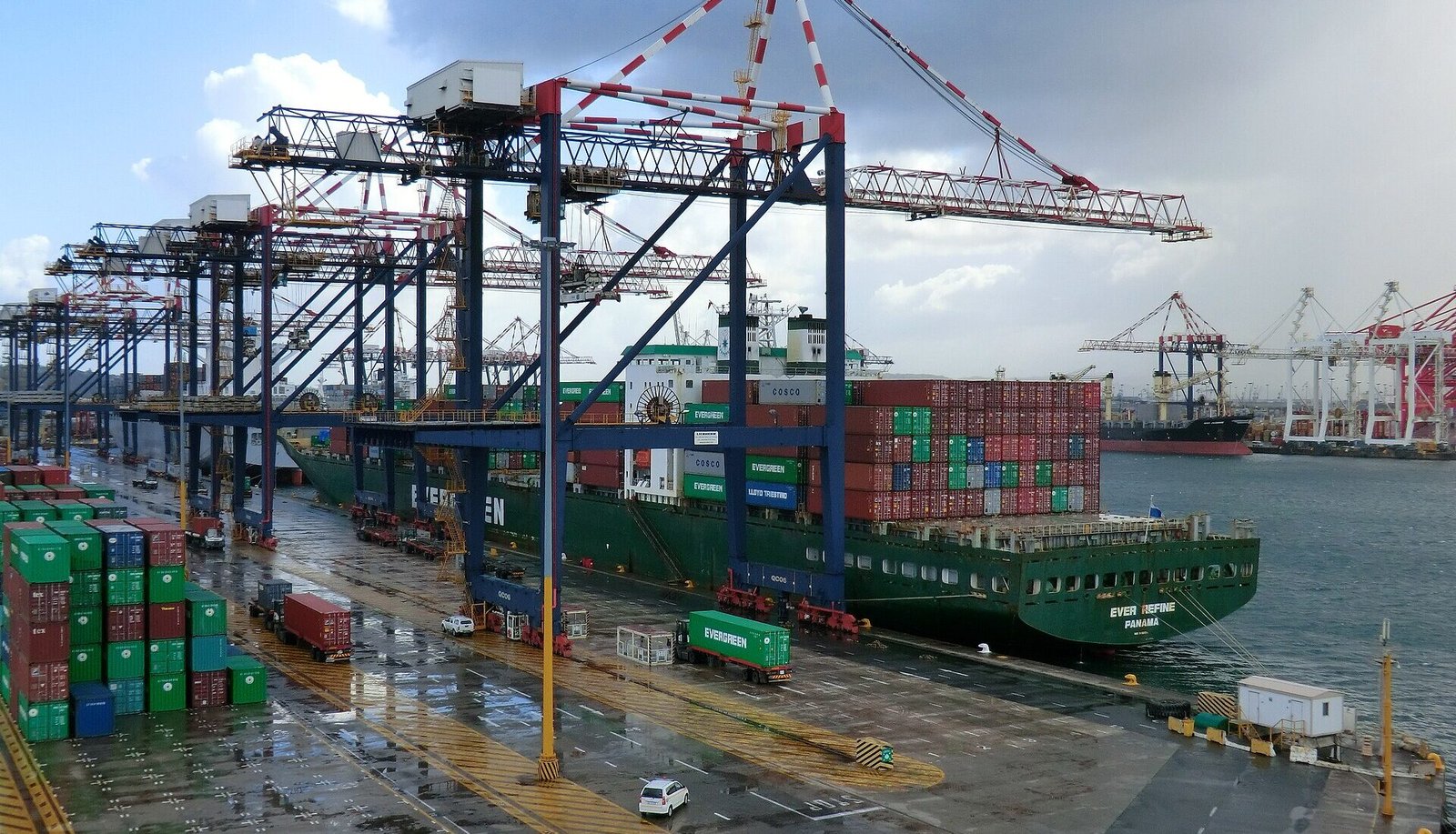
Photo: ---=XEON=---, CC BY 3.0, via Wikimedia Commons. Representative image.
Almost every quote we send out of Durban offers the same three options: FOB Durban, CFR or CIF your port. Buyers often pick CIF because it looks like the complete package. Sometimes it is the right choice. Often it is not. The difference comes down to who controls the freight, who carries the risk, and how much insurance you are really getting.
The short version
Both FOB (Free On Board) and CIF (Cost, Insurance and Freight) are sea and inland waterway terms under Incoterms 2020, published by the International Chamber of Commerce. Under both, risk passes from seller to buyer when the goods are on board the vessel at the port of loading. That surprises many buyers. Under CIF the seller pays to get the cargo to your port, but if it is damaged at sea, it is your loss to claim, not the seller’s.
| FOB Durban | CIF destination port | |
|---|---|---|
| Export clearance in South Africa | Seller | Seller |
| Delivery to vessel at Durban | Seller | Seller |
| Risk passes to buyer | On board at Durban | On board at Durban |
| Main sea freight | Buyer books and pays | Seller books and pays |
| Marine insurance | Buyer decides (not obliged) | Seller buys minimum cover for buyer |
| Destination charges, duties, import clearance | Buyer | Buyer |
| Who chooses the shipping line | Buyer | Seller |
The insurance detail most buyers miss
Incoterms 2020 changed the insurance rules for CIP, but not for CIF. As Focus on Transport explains, CIP now requires the wider Institute Cargo Clauses (A), while CIF keeps the minimum at Institute Cargo Clauses (C), with an option for the parties to agree higher cover.
The seller must insure at least 110% of the contract value, in the contract currency, and cover runs from the point of delivery at Durban to the named destination port. ICC (C) is limited cover. It responds to major events such as fire, explosion, the vessel sinking or stranding, collision, jettison and general average. It generally does not cover theft, rain or seawater damage short of a major casualty, or many forms of handling damage. For food commodities, water damage and contamination are the real risks, so ICC (C) can leave serious gaps.
If you buy CIF, ask for ICC (A) in writing. It costs a little more and covers a great deal more.
When FOB makes sense
- You already have a freight forwarder and contract rates with shipping lines.
- You import regularly and want control over routing, transit times and transhipment ports.
- You have an annual marine cargo policy that covers all your imports.
- Your government or bank requires imports to be shipped on national carriers or insured locally.
One technical note: the ICC suggests FCA rather than FOB for containerised cargo, because sellers usually hand containers to the terminal well before they are loaded on board. In practice, FOB Durban remains widely used for container trade, and most sellers and buyers handle the gap in the contract. If you want the cleanest risk position, ask about FCA.
When CIF makes sense
- You are a first-time or occasional importer without a forwarder at origin.
- You want a single landed-at-port figure to compare offers.
- Your letter of credit calls for an insurance document as part of the shipping set.
- The seller can secure better freight rates on your lane than you can.
Where CFR fits
CFR (Cost and Freight) is CIF without the insurance. The seller books and pays freight; you insure. It suits buyers who hold their own cargo policy but prefer the seller to handle the booking. Many experienced importers end up here.
A buyer’s checklist before you choose
- Name the Incoterm with its version and place: “CIF Mombasa, Incoterms 2020”.
- Under CIF, specify the insurance clause (A or C), the insured value and the currency.
- Ask what destination charges you will face: terminal handling, delivery order fees, demurrage and detention.
- Check free days at destination. Container detention adds up fast if clearance is slow.
- Agree who pays for inspection, fumigation and certificates at origin.
- Make sure your letter of credit terms match the Incoterm and the documents you will receive.
- Confirm the bill of lading shows “shipped on board”, the moment risk passes.
Not sure which term to use?
We quote FOB Durban, CFR and CIF on every product, and we are glad to price two side by side so you can see the real difference. Tell us your product, volume and destination, and request a quote or WhatsApp us on +27 (0)67 163 9326. We will explain what is included in plain language.