

Understanding ICUMSA 45 Sugar
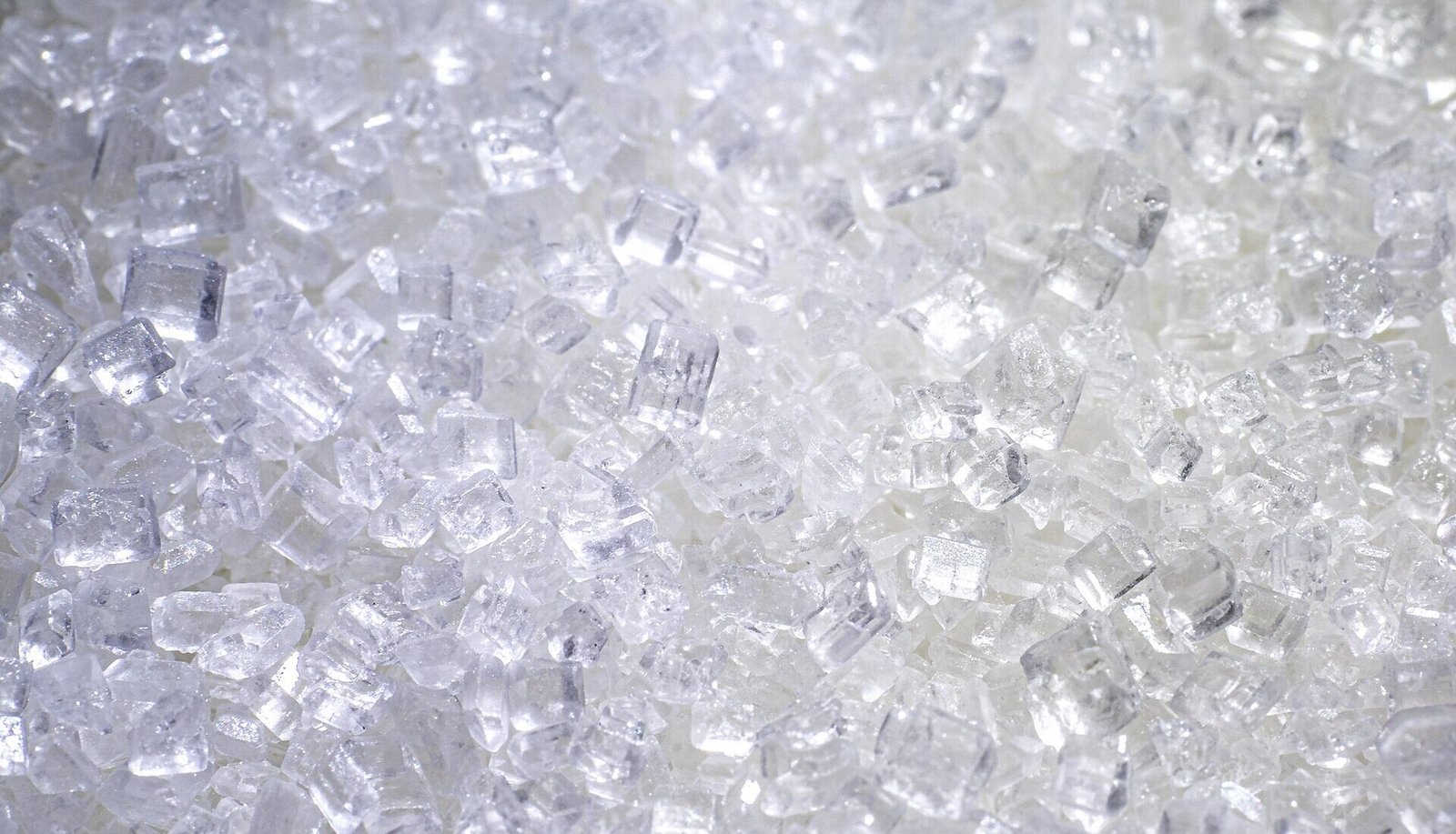
Photo: Tobias Erbsland, CC BY-SA 4.0, via Wikimedia Commons. Representative image.
ICUMSA 45 is probably the most quoted, and most misquoted, phrase in the commodity trade. It appears on thousands of offers every week, many of them from people who have never seen a bag of sugar. For a genuine buyer it is a precise, useful specification. Here is what it means and what to look for.
What ICUMSA actually measures
ICUMSA is the International Commission for Uniform Methods of Sugar Analysis. It publishes the laboratory methods the sugar trade uses, and its name has become shorthand for sugar colour.
The colour of white sugar is measured under ICUMSA Method GS2/3-9: the sugar is dissolved, the solution is filtered and buffered to pH 7.0, and its absorbance is read on a spectrophotometer at 420 nm. The result is expressed in ICUMSA Units (IU). The lower the number, the whiter and more refined the sugar. ICUMSA 45 means a colour of 45 IU or less.
Colour on its own does not tell you everything, which is why a proper contract lists several other parameters.
Typical ICUMSA 45 specification
| Parameter | Typical contract value |
|---|---|
| Colour (ICUMSA GS2/3-9) | Max 45 IU |
| Polarisation | Min 99.8 degrees Z |
| Moisture (loss on drying) | Max 0.04% |
| Ash (conductivity) | Max 0.04% |
| Invert sugar | Max 0.04% (often lower) |
| Sulphur dioxide | Within the limit of the destination market |
| Solubility | 100%, dry and free flowing |
| Granulation | Fine to medium crystal, as agreed |
| HS code | 1701.99 |
These are trade norms for refined sugar rather than a single legal standard. Your own food regulations and the Codex standard for sugars may set different limits, so specify the analytical methods and the laboratory in the contract.
How ICUMSA 45 compares with other grades
| Grade | Colour (IU) | What it is | Typical use |
|---|---|---|---|
| ICUMSA 45 | Max 45 | Refined white sugar | Beverages, confectionery, retail packing, pharmaceuticals |
| ICUMSA 100 to 150 | Around 100 to 150 | Plantation or mill white sugar | Food manufacturing where perfect whiteness is not critical, bakery, regional retail |
| VHP (Very High Polarisation) | Roughly 600 to 1,200 | Raw cane sugar for refining | Feedstock for refineries |
If you run a refinery, you want VHP. If you bottle soft drinks, you most likely want ICUMSA 45 because colour and clarity in the finished drink matter. If you bake bread, ICUMSA 100 or 150 may do the job at a better landed cost. Buying a finer grade than your process needs is a common and avoidable expense.
Packing and loading
Refined sugar is usually packed in 50 kg woven polypropylene bags with a food-grade inner liner, or in 1 MT bulk bags for industrial users. A 20ft container typically carries about 25 MT in 50 kg bags (500 bags), subject to the shipping line’s payload limit. Sugar is heavy for its volume, so a 40ft box rarely carries more than a 20ft for this cargo and is not normally used.
Sugar picks up moisture and odours. Containers should be clean, dry and odour free, often lined with kraft paper, and the cargo kept away from fertiliser, chemicals and anything with a strong smell during storage at the port.
Red flags in sugar offers
Sugar attracts more fake offers than almost any other commodity. The usual pattern is an offer of huge monthly volumes at an attractive price, with a procedure that asks the buyer to commit funds or issue bank instruments before any physical evidence of the cargo is shown.
A real seller can tell you where the sugar is, who refined it, and when a sample can be drawn.
Be cautious of:
- Offers of 50,000 MT a month for twelve months to buyers with no trading history.
- Requests for proof of funds, bank comfort letters or upfront fees before a sample or a refinery name.
- Long chains of intermediaries who cannot speak to the specification.
- Specs copied word for word from other offers, sometimes with impossible values.
- No mention of independent inspection at loading.
Contract checklist
- Full specification with analytical methods named.
- Independent inspection for quality and weight at loading, with the inspector named.
- Packing details: bag weight, liner, marking, and whether bags are new.
- Incoterm and port: FOB Durban, CFR or CIF your port.
- Documents: certificate of origin, certificate of quality with ICUMSA analysis, weight certificate, phytosanitary or health certificate if your market requires it.
- Payment terms that release funds against shipping documents, not against promises.
Need a straight sugar quote?
We supply refined and plantation white sugar sourced from regional mills and partner origins such as Brazil, shipped through Durban. Tell us the grade, volume, packing and destination, and we will tell you plainly what we can do this season. Request a quote on the site or WhatsApp us on +27 (0)67 163 9326.