

Shipping Edible Oil in Flexitanks from Durban
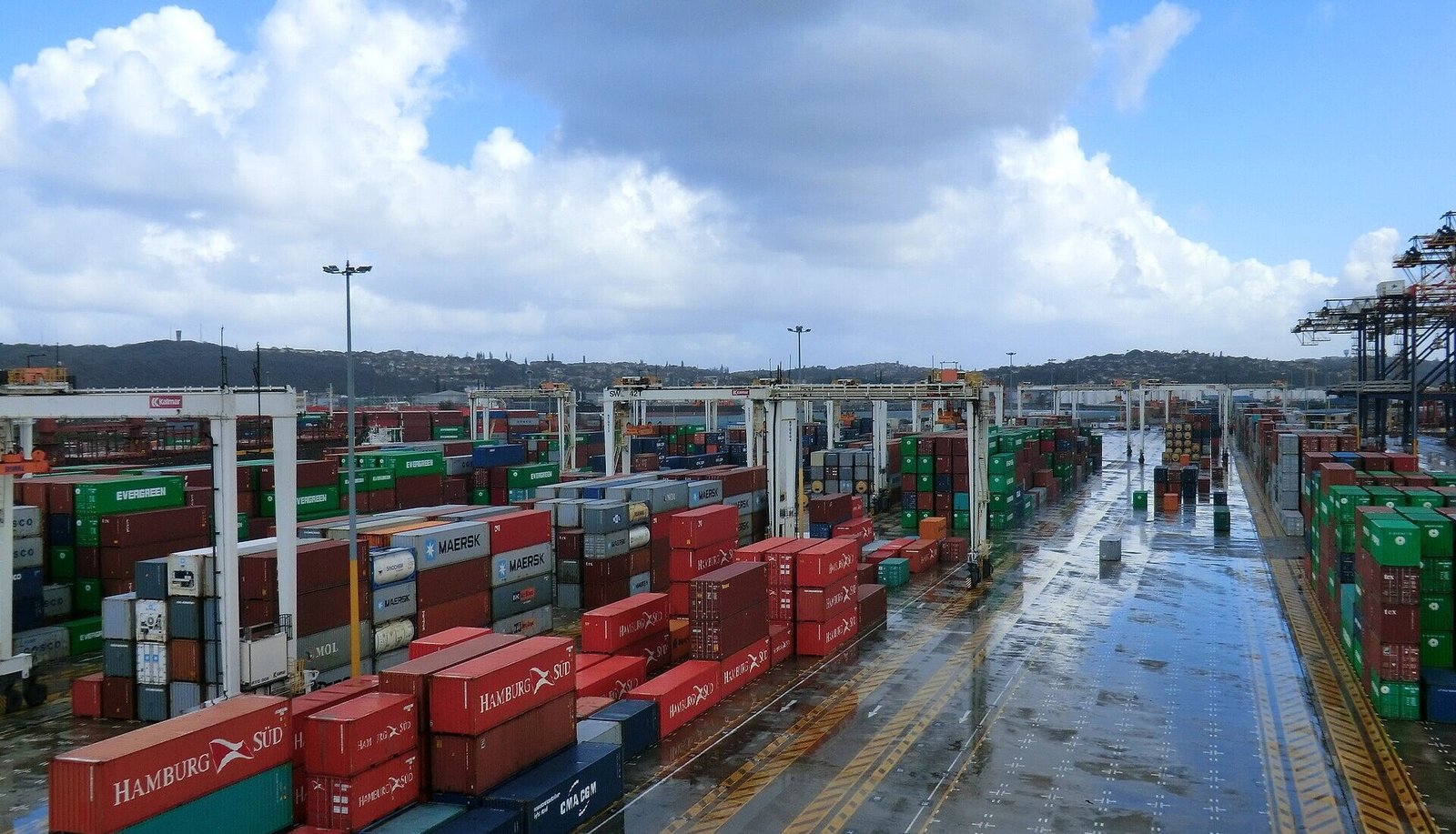
Photo: ---=XEON=---, CC BY 3.0, via Wikimedia Commons. Representative image.
For buyers who need 20 tonnes of oil rather than 2,000, the flexitank has changed the economics of the trade. A single-use bag fitted inside a standard 20ft container turns an ordinary dry box into a liquid bulk carrier, and it moves through Durban’s container terminals like any other box. Done properly, it is the cheapest clean way to ship parcel sizes of edible oil. Done carelessly, it is an expensive mess on a quayside.
What a flexitank actually is
A flexitank is a multi-layer polyethylene bladder, often with a woven polypropylene outer layer, fitted with a valve that usually sits at the container doors. It is installed fresh for each shipment and discarded or recycled after discharge. Because nothing has been carried in it before, there are no previous cargo questions about the bag itself, which is one of its advantages over reused tanks.
The UK standard PAS 1008 sets performance and testing requirements for single-use flexitanks, including puncture resistance, valve tightness and a rail impact test, for loads up to 24,000 kg and 24,000 litres. It is not law, but many shipping lines will only accept flexitanks from suppliers who meet it or the Container Owners Association code of practice.
How much oil fits
Flexitanks for edible oil are typically 20,000 to 24,000 litres. At a density of roughly 0.91 to 0.92 kg per litre for most vegetable oils, that works out to about 18.5 to 22 MT per box. In practice the net payload is set by three things: the bag size, the shipping line’s payload limit for that container, and road weight limits between the loading point and the port. Your haulier and line should confirm the number before the flexitank is ordered, not after it is filled.
Underfilling is a risk too. A part-filled bag lets the liquid surge in transit, putting load on the bulkhead and container walls. Fill to the manufacturer’s stated range.
Flexitank compared with other options
| Method | Typical net per 20ft | Best for | Watch out for |
|---|---|---|---|
| Flexitank | Approx. 20 to 22 MT | Bulk refined or crude oil, one receiver | Needs discharge pump or gravity setup and, for some oils, heating |
| ISO tank | Approx. 20 to 24 MT | Repeat flows, sensitive or hazardous liquids | Return logistics and cleaning certificates for previous cargo |
| Drums (approx. 200 L) | About 80 drums, approx. 14.5 to 16 MT | Smaller buyers, split deliveries | More packaging cost per tonne |
| IBCs (1,000 L) | About 18 to 20 units | Food factories without bulk storage | Lower payload, IBC return or disposal |
Choosing and preparing the container
The container matters as much as the bag. Insist on a sound 20ft dry box in good condition: no holes, no protruding nails or bolts, no serious dents in the side walls, a clean dry floor and doors that close properly. Odours from a previous cargo can taint oil. Many flexitank suppliers inspect the box before installation and will reject unsuitable units. The installer then lines the floor and walls, fits a bulkhead at the door end and places the bag. A good installer photographs every stage. Keep those photos.
Heating: which oils need it
Sunflower, soybean and canola oils stay liquid at normal temperatures and usually discharge without help. Palm oil, palm stearin and some blends solidify in cooler weather, and even palm olein can cloud. For these, specify a heating pad under the flexitank at loading. At destination it is connected to steam or hot water, and the oil is warmed slowly before pumping. Allow time for this, often a day or more, and make sure the receiver has the means to do it.
Quality control at loading
Marine guidance on vegetable oil cargoes, such as the IIMS guidelines, stresses sampling and documentation at every transfer. For flexitank parcels, agree in advance:
- Who draws samples, from where, and how many are sealed and retained.
- Which parameters are tested: typically free fatty acid, moisture and impurities, peroxide value, colour and iodine value, depending on the oil.
- Which laboratory issues the certificate of analysis, and whether it is final.
- Whether a weight certificate is based on weighbridge readings or flow meter.
The Durban leg
Durban is the busiest container port in southern Africa, with regular services to the Middle East, the Indian subcontinent, East and West Africa and the Far East. That frequency suits flexitank parcels, which are just standard 20ft boxes as far as the terminal is concerned. Build in buffer time for stack dates, cut-offs and weather delays, which can occur at any busy port. A flexitank that misses its vessel simply waits in the stack, but your letter of credit dates do not.
A loading-day checklist
- Flexitank supplier’s certificate and installation report in hand.
- Container inspection photos taken before installation.
- Heating pad fitted if the oil needs it.
- Seal numbers recorded on the bill of lading and loading report.
- Samples sealed, labelled and split between the parties.
- Gross weight verified for VGM declaration.
- Warning labels on the container doors stating it holds a flexitank.
Planning a flexitank parcel?
Whether it is a first trial box of sunflower oil or a regular monthly flow, we can talk you through payloads, heating and documents for your destination. Tell us the oil, quantity and discharge port, and request a quote or WhatsApp us on +27 (0)67 163 9326. We will give you a straight answer on what works.